
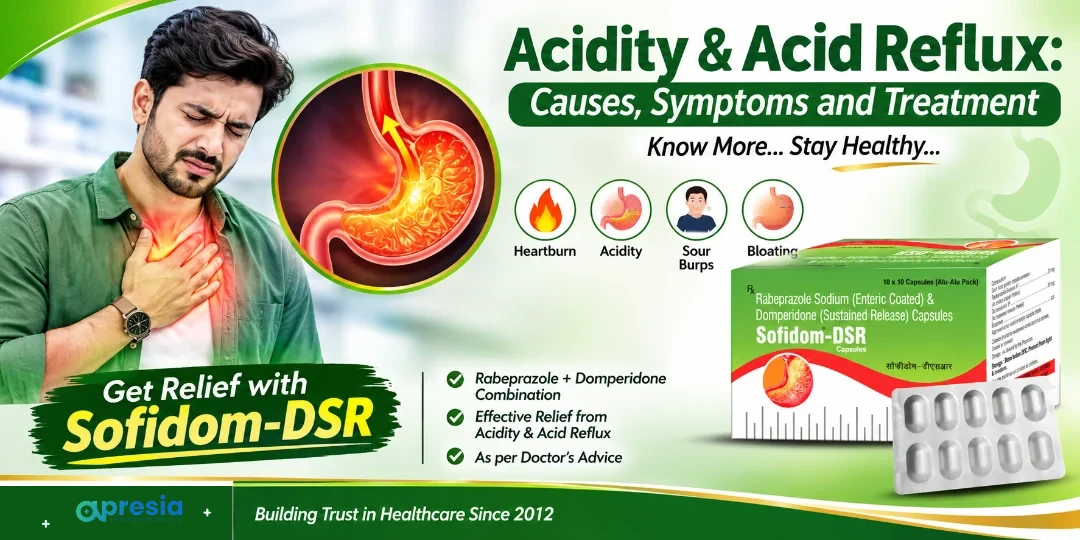
Acidity and digestive discomfort are common concerns that can affect people of different age groups. Symptoms such as heartburn, sour burps, bloating and discomfort after meals can interfere with everyday activities and quality of life.
Understanding the causes, symptoms and available treatment options is an important step towards better digestive health. In this blog, we will explore acidity, acid reflux, common symptoms, preventive measures and the role of medical treatment.
Acid reflux occurs when stomach contents flow back into the food pipe (oesophagus). This can cause a burning sensation in the chest, commonly known as heartburn.
When acid reflux happens frequently, it may be associated with a condition called Gastroesophageal Reflux Disease (GERD).
Common symptoms include:
Several lifestyle and dietary factors may contribute to acidity and acid reflux.
Dietary factors
Lifestyle factors
Identifying personal triggers can help individuals manage recurring symptoms more effectively.
Simple lifestyle changes can help reduce the frequency of acid reflux symptoms.
If symptoms persist or become frequent, consult a qualified healthcare professional.
Treatment depends on the underlying cause, frequency and severity of symptoms.
Healthcare professionals may recommend different treatment options depending on the patient's condition.
Rabeprazole Sodium
Rabeprazole belongs to a group of medicines called Proton Pump Inhibitors (PPIs). It works by reducing the amount of acid produced in the stomach.
Domperidone
Domperidone is a medicine with antiemetic and gastrointestinal motility effects. Its use requires careful medical assessment because it can increase the risk of heart rhythm problems in certain patients.
The combination of these ingredients should only be used when specifically prescribed by a qualified healthcare professional.
Do not ignore recurring digestive symptoms. Seek medical advice if you experience:
Sudden chest pain, especially with breathlessness or sweating, requires urgent medical attention.
Q1. What is the difference between acidity and acid reflux?
Acidity generally refers to symptoms associated with excess stomach acid, while acid reflux occurs when stomach contents flow back into the food pipe.
Q2. Can lifestyle changes help manage acid reflux?
Yes. Smaller meals, avoiding trigger foods and not lying down immediately after eating may help reduce symptoms.
Q3. Is heartburn always related to acidity?
No. Heartburn-like chest discomfort can have other causes, including heart-related conditions. Medical assessment is important when symptoms are severe or unusual.
Q4. Should acidity medicines be taken without a doctor's advice?
No. Medicines should be selected according to the patient's symptoms, medical history and individual risk factors.
Maintaining good digestive health starts with healthy eating habits, an active lifestyle and timely medical attention. Understanding symptoms such as acidity, heartburn and acid reflux can help individuals make better decisions about their health.
For patients experiencing acid reflux-related symptoms, healthcare professionals may consider appropriate treatment options based on individual needs and medical assessment.
Introducing Sofidom-DSR Capsules by Apresia Lifesciences, featuring Rabeprazole Sodium and Domperidone (SR) – a combination formulated to support the management of acid-related digestive conditions prescribed by a qualified healthcare professional.
At Apresia Lifesciences, we are committed to bringing quality healthcare products and promoting better healthcare awareness.Sofidom-DSR – An Apresia Lifesciences offering. Building Trust in Healthcare Since 2012.



You need to Sign in to view this feature

This address will be removed from this list
 english